




Find, save and share Public Notices that affect you in the area.
Search the Public Notice Portal What is the Public Notice Portal?What is the Public Notice Portal?
The Public Notice Portal carries statutory public notices published in local newspapers and is the fastest and most effective way of finding out what is happening in YOUR neighbourhood.
Search the Public Notice PortalIpswich could need around 13,600 new homes over the next two decades, raising one obvious question: where are they all going to go?
The figure appears in Ipswich Borough Council's latest evidence as it begins drawing up a new Local Plan to guide development across the town until 2045.

The authority calculates Ipswich's housing need at 714 homes a year, equating to approximately 13,600 between 2026 and 2045.
But while thousands of homes are already planned or accounted for, the council's baseline data identifies supply for around 8,700, potentially leaving sites to be found for thousands more.
So what do we currently know about where Ipswich's new homes could go?
Thousands of homes already allocated
A significant part of the answer lies in land already earmarked for development.
The council's existing 2022 Local Plan had gross allocation capacity for around 8,400 homes, with approximately 7,600 remaining as of April 2025.
Of those residual allocations, around 1,600 homes were under construction, while allocations accounting for another 6,000 had not started.
The existing Local Plan therefore contains a substantial pipeline of potential development, although that does not mean every allocated home is guaranteed to be built.
Ipswich Garden Suburb

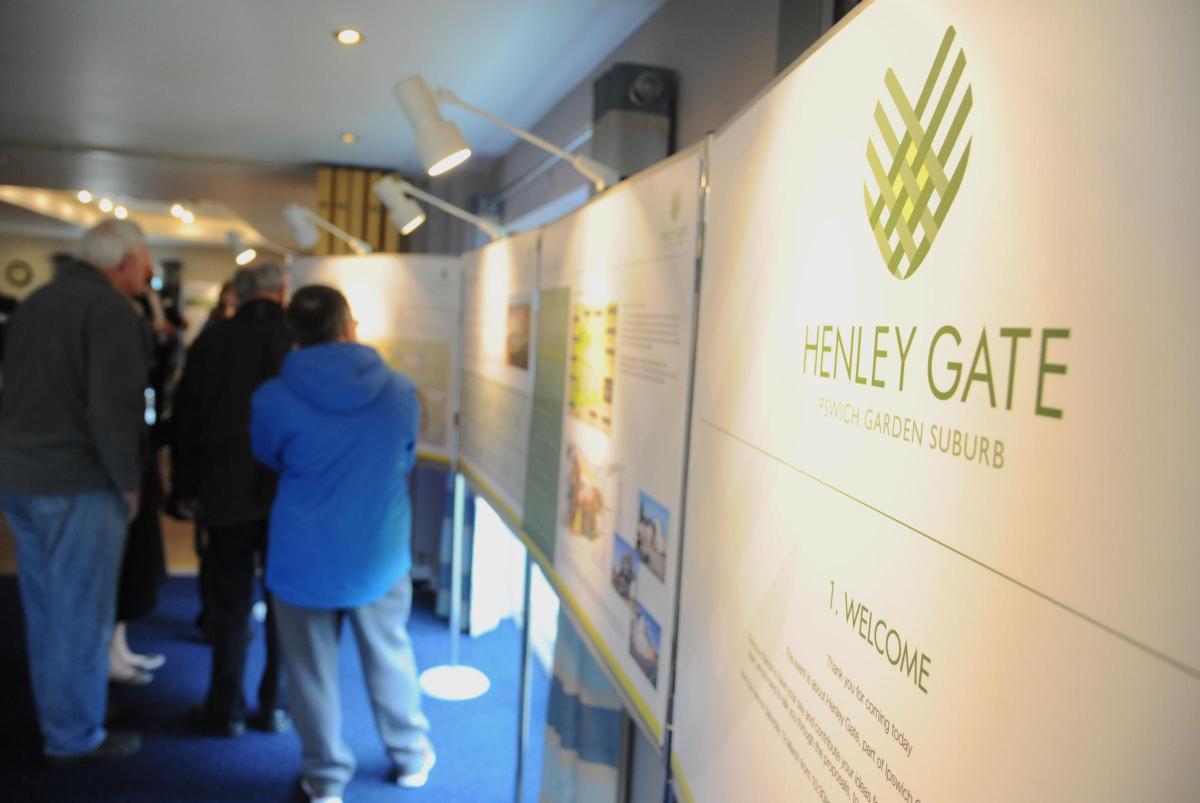
One of Ipswich's biggest established areas for growth is Ipswich Garden Suburb.
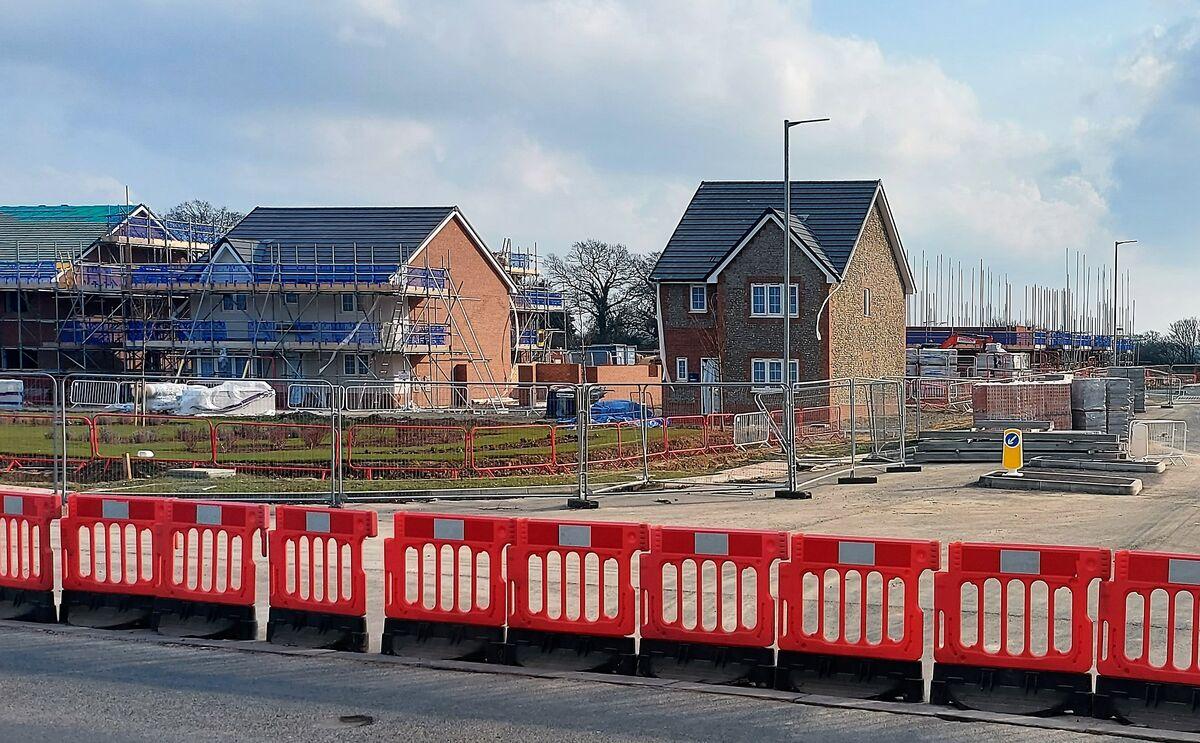
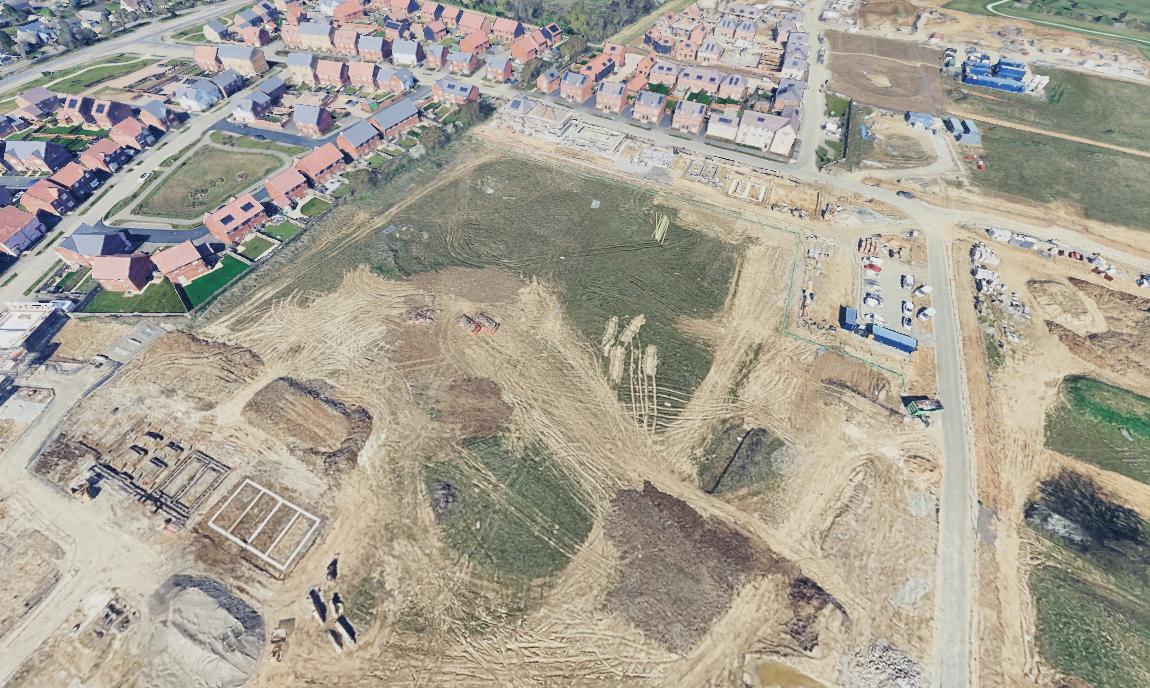
The current Local Plan envisages three new neighbourhoods there, with homes being delivered alongside infrastructure and a large country park.
It means northern Ipswich is already undergoing significant expansion and the Garden Suburb forms an important part of the town's existing housing strategy.
But the scale of the new 13,600-home requirement means it cannot provide the entire answer.
Town centre and brownfield sites
Another clue comes from where Ipswich has been building homes recently.
Of the 560 homes completed in 2025/26, 359 were within the IP-One area, covering the town centre and surrounding areas.
Meanwhile, 450 of those 560 homes were on previously developed land, equivalent to 80.4% of completions.
Read more
Former Ipswich hotel could become 15-bedroom HMO
Plans approved for Ipswich wine shop with tastings and events
Plans unveiled for new office and training building at HMO in Ipswich
All you need to know about £40m Pride in Place plans for Ipswich
That demonstrates the significant role brownfield redevelopment is already playing in Ipswich and suggests previously developed sites could continue to form an important part of the town's housing supply.
The Waterfront and riverside areas provide development opportunities too, although the council identifies flood risk as an important constraint, particularly around the Waterfront.
What about sites not identified yet?
Not every home Ipswich needs can currently be attached to a named development.
The council's baseline report includes an estimate of approximately 1,000 homes from future "windfall" developments, based on around 50 homes a year over 19 years.
Windfall developments are sites which have not been specifically allocated in the Local Plan but which could come forward for housing during the plan period.
The 1,000-home estimate is presented separately from the council's current figure of 8,700 homes of identified supply.
Thousands of homes still need somewhere to go

This is where the scale of Ipswich's challenge becomes clear.
Against the requirement for approximately 13,600 homes, the council currently identifies supply for about 8,700, equivalent to around 64% of the requirement.
That leaves a potential gap of approximately 4,900 homes.
The council's baseline report gives a broader potential shortfall of between 4,900 and 11,900 homes, with the upper figure representing the gap if only the 1,700 homes classed as committed and under construction are counted.
Exactly where additional homes should be built will therefore be one of the important questions facing the council as it develops its new Ipswich Local Plan 2026-2045.
The replacement Local Plan will establish the council's spatial strategy and new site allocations for the period to 2045.
Residents are still some way from seeing the final answers.
Consultation on proposed Local Plan content and evidence is indicatively scheduled for September and October 2027, followed by consultation on the proposed plan in June and July 2028.
The new plan is currently expected to be adopted in April 2029.


Share